
Is your dishwasher not spraying water like it should? If your dishes are coming out dirty or you hear it running but nothing seems to be happening inside, you’re not alone.
When your dishwasher stops spraying water, it can throw off your whole routine and leave you frustrated. But don’t worry—understanding why this happens and how to fix it is easier than you think. Keep reading, and you’ll discover simple steps to get your dishwasher working perfectly again.
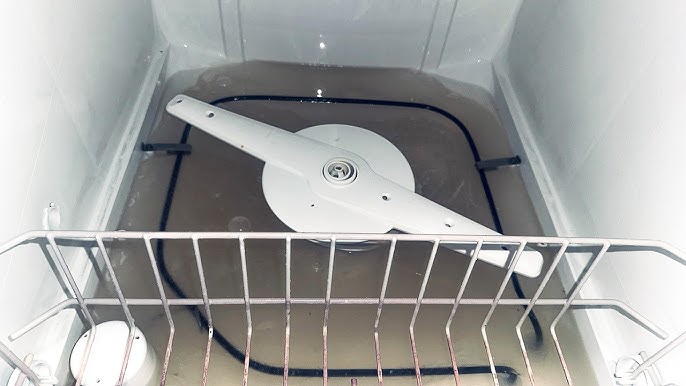
Credit: www.youtube.com
Common Causes Of No Water Spray
When a dishwasher stops spraying water, it cannot clean dishes properly. Several common problems cause this issue. Knowing these causes helps you find the problem fast.
Some parts may be blocked or broken. Others may stop water from flowing inside. Checking these parts is the first step to fix the dishwasher.
Clogged Spray Arms
Spray arms spin and spray water inside the dishwasher. Food bits and debris can block their holes. This stops water from spraying out. Cleaning the spray arms often solves the problem. Remove and rinse them under running water.
Blocked Water Inlet Valve
The water inlet valve controls water flow into the dishwasher. Dirt or minerals can clog it. A blocked valve stops water from entering the machine. Check the valve for clogs or damage. Replace it if water does not flow through.
Faulty Water Pump
The water pump pushes water to the spray arms. A broken pump cannot move water properly. This causes no spray or weak spray. Listen for strange noises during the cycle. Replace the pump if it does not work well.
Malfunctioning Float Switch
The float switch stops water from overfilling. If it gets stuck or broken, it may block water flow. This prevents the dishwasher from filling with enough water. Test the float switch for smooth movement. Fix or change it if stuck.
Inspecting And Cleaning Spray Arms
Spray arms play a key role in dishwasher cleaning. They push water to clean dishes well. If your dishwasher is not spraying water, spray arms might be clogged or stuck. Inspecting and cleaning spray arms can fix this problem quickly.
Checking spray arms is simple and does not need special tools. Cleaning them removes blockages that stop water flow. Follow easy steps to remove, clean, and reinstall spray arms safely.
Removing Spray Arms Safely
Start by turning off the dishwasher power. Open the door fully to access the spray arms. Most dishwashers have clips or screws holding the spray arms. Gently unlock or unscrew them. Avoid using force to prevent damage. Remove the spray arms carefully and place them on a clean surface.
Clearing Debris And Mineral Deposits
Check the spray arms for food debris or hard water deposits. Use a toothpick or small brush to clear out holes. Soak the spray arms in warm, soapy water for 15 minutes. For tough mineral buildup, add vinegar to the water. Rinse thoroughly under running water to remove loosened dirt and deposits.
Reinstalling Spray Arms Correctly
Align the spray arms with their mounting points. Secure the clips or screws tightly but gently. Spin the spray arms by hand to check for free movement. Make sure they do not wobble or stick. Close the dishwasher door and restore power. Run a short cycle to test the spray arms’ function.
Checking Water Supply And Inlet Valve
Checking the water supply and inlet valve is key when the dishwasher is not spraying water. These parts control the flow of water into the machine. Without water, the dishwasher cannot clean dishes properly.
Start by making sure water reaches the dishwasher. Then, check the inlet valve for any blockages or damage. Finally, test the valve’s function to see if it opens and closes correctly.
Ensuring Water Supply Is On
First, confirm the main water supply to the dishwasher is turned on. The shut-off valve is usually under the sink. Turn it fully open to allow water flow.
Check for any kinks or damage in the water hose. A twisted or crushed hose can block water flow. Replace the hose if needed.
Examining Inlet Valve For Blockages
Unplug the dishwasher before working on the inlet valve. Remove the valve from the machine carefully.
Look inside the valve for debris or mineral buildup. Dirt can clog the valve and stop water from entering.
Clean the valve gently with a soft brush and water. Avoid harsh chemicals that might damage it.
Testing Inlet Valve Functionality
Use a multimeter to test the valve’s electrical parts. Set the meter to check resistance.
Place the meter probes on the valve terminals. A reading shows the valve coil is working.
No reading means the valve is faulty and needs replacement. Replace it to restore proper water flow.
Examining And Testing The Water Pump
Examining and testing the water pump is important when your dishwasher is not spraying water. The water pump pushes water through the spray arms to clean dishes. If the pump fails, water cannot circulate inside the dishwasher properly. This section explains how to find, check, and decide if the pump needs replacement.
Locating The Water Pump
The water pump usually sits at the bottom of the dishwasher. You may need to remove the lower panel or kickplate to see it. It connects to the motor and spray arms. Look for a small, round part with hoses attached. Consult your dishwasher manual for exact location details.
Signs Of A Faulty Pump
Listen for strange noises like grinding or humming during the wash cycle. Water may pool inside the dishwasher instead of spraying. Dishes will come out dirty or wet. The pump might leak water underneath the appliance. These signs often point to a bad water pump.
When To Replace The Pump
Replace the pump if it makes loud noises or does not spin. If water does not move even after cleaning filters and spray arms, the pump may be broken. Visible cracks or leaks around the pump also mean replacement is needed. Use only parts made for your dishwasher model.
Float Switch Issues And Solutions
The float switch in a dishwasher controls water levels during cycles. If it malfunctions, the dishwasher may not spray water properly. Understanding float switch problems helps fix this issue quickly.
Role Of The Float Switch
The float switch senses water height inside the dishwasher. It stops water from overfilling by turning off the water valve. If the switch detects enough water, it signals the machine to start spraying. Without a working float switch, water may not fill correctly.
Detecting Float Switch Problems
Check the float switch by lifting the float inside the dishwasher. It should move freely up and down. Listen for a clicking sound as you move it. No click means the switch may be stuck or broken. Also, look for dirt or debris around the float that blocks its movement.
Fixing Or Replacing The Float Switch
Clean any dirt around the float to restore movement. Use a soft cloth or brush gently. If cleaning does not help, test the switch with a multimeter for electrical faults. Replace the float switch if it shows no continuity. Installing a new switch is often simple and solves water spray issues.

Credit: www.reddit.com
Additional Tips To Restore Water Spray
Restoring the water spray in your dishwasher can often solve cleaning problems. Some simple checks and steps can bring back the spray function without much hassle. These tips focus on electrical health, testing cycles, and knowing when to seek expert help.
Checking For Electrical Issues
Dishwashers rely on electricity to power the spray arms. Start by unplugging the machine and inspecting the power cord for damage. Check the circuit breaker to ensure it hasn’t tripped. Use a multimeter to test if power reaches the spray motor. Loose wires or burned connectors can stop the spray. Tighten any loose connections carefully. Replace damaged wires if needed.
Running Diagnostic Cycles
Most modern dishwashers have built-in diagnostic modes. These tests check all components, including the spray system. Consult your user manual to activate the cycle. Watch for error codes or unusual noises during the test. A diagnostic cycle can pinpoint problems like blocked pumps or faulty motors. Follow the troubleshooting steps based on the results.
When To Call A Professional
Some issues need expert attention. Persistent spray problems or electrical faults are unsafe to fix alone. Call a certified technician if the dishwasher still won’t spray water. Professionals have the tools and knowledge to diagnose complex faults. They ensure repairs meet safety standards and prevent further damage.

Credit: www.youtube.com
Frequently Asked Questions
Why Is My Dishwasher Not Spraying Water Properly?
The spray arms might be clogged or blocked. Check and clean them to restore water flow.
Can A Faulty Water Inlet Valve Stop Dishwasher Spraying?
Yes, a broken valve can block water supply. Replacing it often fixes the spraying issue.
How Does Low Water Pressure Affect Dishwasher Spray?
Low water pressure reduces spray force. Ensure your home’s water pressure is normal for best results.
Could A Broken Pump Cause No Water Spray In Dishwasher?
A damaged pump can’t push water to spray arms. Repair or replace the pump if needed.
Does A Clogged Filter Stop Dishwasher Water Spray?
Yes, a dirty filter blocks water circulation. Clean the filter regularly for proper spraying.
Conclusion
A dishwasher not spraying water can stop your cleaning. Check the spray arms for clogs or damage. Make sure the water supply is on and strong. Clean the filter to avoid blockages. Sometimes, a simple reset fixes the problem. Regular care keeps your dishwasher working well.
Fixing small issues early saves time and money. Don’t ignore the signs of poor water spray. Proper maintenance helps your dishwasher last longer. Keep your dishes clean and your kitchen happy.