
Is your dishwasher not draining properly? You’re not alone, and this problem can quickly turn a simple chore into a frustrating mess.
When water stays at the bottom of your dishwasher, it affects how clean your dishes get and can even cause bad odors. But don’t worry—understanding why your dishwasher isn’t draining is the first step to fixing it fast. Keep reading, and you’ll learn easy, practical tips to solve the problem and get your dishwasher working like new again.
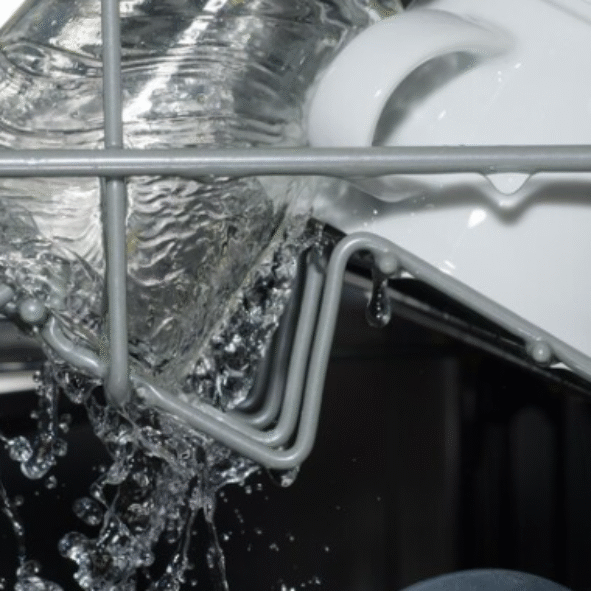
Credit: smartapplianceservices.com
Common Causes Of Drainage Issues
Dishwasher drainage problems are common and can stop your appliance from working well. Many factors cause water to stay inside the dishwasher after a cycle. Knowing these causes helps fix the problem quickly.
Most drainage issues come from parts that block or stop water flow. Dirt, food scraps, or broken parts often cause these blockages. Understanding these common causes can save time and money on repairs.
Clogged Drain Filter
The drain filter catches food and debris during washing. Over time, it can get blocked with leftover bits. A clogged filter stops water from draining out properly. Cleaning the filter regularly keeps water flowing smoothly.
Blocked Drain Hose
The drain hose carries water from the dishwasher to the drain. It can get clogged with grease, food, or small objects. A blocked hose prevents water from leaving the dishwasher. Check the hose for kinks or clogs to fix drainage issues.
Faulty Drain Pump
The drain pump pushes water out of the dishwasher. If the pump breaks or gets stuck, water will not drain. A faulty pump often makes a humming or grinding noise. Replacing the pump usually restores proper drainage.
Garbage Disposal Connection Problems
Dishwashers often connect to the kitchen garbage disposal. If this connection is blocked or not installed right, water can back up. Food waste in the disposal can stop water flow. Clearing the disposal or fixing the connection helps water drain properly.
Tools Needed For Quick Repairs
Fixing a dishwasher that does not drain needs the right tools. Using the correct tools makes the job faster and easier. It also helps avoid damage to the dishwasher parts. Below are some common tools to keep on hand for quick repairs.
Basic Cleaning Supplies
Start with simple cleaning supplies like cloths and brushes. A sponge helps wipe away grime inside the dishwasher. Use a small brush to clean drain holes and filters. Baking soda and vinegar can clear mild clogs and odors. These supplies prepare the dishwasher for deeper repairs.
Screwdrivers And Pliers
Screwdrivers are key for opening panels and removing screws. A flathead and a Phillips screwdriver cover most screws. Pliers help grip and turn small parts or hoses. Needle-nose pliers reach tight spaces easily. These tools allow access to the dishwasher’s internal parts.
Multimeter For Electrical Checks
A multimeter tests electrical parts like pumps and switches. It measures voltage, resistance, and continuity. This tool helps find broken wires or faulty components. Testing parts before replacement saves time and money. A multimeter is essential for diagnosing electrical issues.
Step-by-step Cleaning The Drain Filter
Cleaning the drain filter is a key step to fix a dishwasher not draining. The filter catches food and debris that can block water flow. Regular cleaning keeps your dishwasher working well and avoids bad smells. Follow these easy steps to clean the drain filter correctly.
Locating The Filter
Open the dishwasher door fully. Look at the bottom of the dishwasher tub. The filter is usually near the drain, under the lower spray arm. It often looks like a small, round or cylindrical mesh part. Check your dishwasher manual if you cannot find it.
Removing And Cleaning Debris
Turn the filter counterclockwise to unlock it. Pull the filter out gently. Remove any food scraps, bits of glass, or other debris by hand. Use warm water and a soft brush to clean the filter thoroughly. Make sure all holes in the mesh are clear for good water flow.
Reinstalling The Filter Properly
Place the filter back in its slot carefully. Turn it clockwise to lock it in place. Ensure the filter sits flat and secure. Close the dishwasher door and run a short cycle to check proper draining. A clean filter helps your dishwasher drain smoothly every time.
Clearing The Drain Hose
Clearing the drain hose is a key step to fix a dishwasher not draining. This hose carries dirty water out of your dishwasher. Over time, food particles and debris can block it. Clearing these blockages helps water flow freely again. Follow these simple steps to clean the drain hose safely and effectively.
Detaching The Hose Safely
First, unplug the dishwasher from the power source. Turn off the water supply connected to the dishwasher. Locate the drain hose, usually at the back or under the sink. Use a towel to catch any water that may spill out. Carefully loosen the hose clamp with a screwdriver. Gently pull the hose off the dishwasher or sink drain.
Flushing Out Blockages
Check the hose for visible clogs or debris. Use a long, flexible brush or a pipe cleaner to remove blockages. Run warm water through the hose to flush out smaller particles. Repeat flushing until water flows freely. Avoid using harsh chemicals that can damage the hose.
Reconnecting And Testing
Reattach the hose to its original place. Tighten the hose clamp securely to prevent leaks. Turn on the water supply and plug in the dishwasher. Run a short wash cycle to test drainage. Watch for any leaks or slow draining issues. Clear any remaining problems before full use.
Inspecting And Replacing The Drain Pump
Inspecting and replacing the drain pump is a key step to fix a dishwasher that won’t drain. The drain pump pushes water out of the dishwasher. If it fails, water stays inside the machine. This section explains how to spot pump problems, remove the old pump, and install a new one.
Identifying Pump Malfunctions
Listen for strange noises during the drain cycle. A humming or grinding sound may mean the pump is stuck. Check for water left inside after the cycle ends. Also, inspect the pump for visible damage or clogs. A broken or blocked pump cannot drain water properly.
Removing The Pump
Unplug the dishwasher before starting. Remove the lower rack and access the pump under the tub. Detach hoses connected to the pump. Unscrew the pump from its mount carefully. Keep track of all screws and parts for reassembly.
Installing A New Pump
Place the new pump in the same position as the old one. Screw it securely to the mount. Reconnect all hoses tightly to avoid leaks. Put back any removed panels or racks. Plug the dishwasher in and run a test cycle to check drainage.
Checking The Garbage Disposal Connection
Checking the garbage disposal connection is important when your dishwasher does not drain. The dishwasher drain hose often connects to the garbage disposal. A loose or blocked connection can stop water from flowing out properly.
Start by making sure the dishwasher hose is firmly attached to the disposal. Next, clear any blockages inside the disposal that might stop water flow. Finally, reset the disposal unit to fix any electrical issues that may affect drainage.
Ensuring Proper Attachment
Look under the sink to find the dishwasher drain hose. Check if it is tightly connected to the garbage disposal inlet. A loose hose can cause water to back up in the dishwasher. Tighten the clamp or fastener if needed. This simple step often solves drainage problems.
Removing Disposal Blockages
Food scraps and debris can block the disposal and cause drainage issues. Turn off the disposal power before cleaning. Use a flashlight to look inside the disposal chamber. Remove any visible debris carefully. Run water and test the disposal to see if it drains better.
Resetting The Disposal Unit
The disposal may stop working due to an overload. Find the reset button on the bottom of the unit. Press the button to reset the disposal motor. Wait a few minutes, then turn the disposal on. This can restore proper function and help the dishwasher drain correctly.
Preventive Tips To Avoid Future Drain Issues
Preventing dishwasher drain problems saves time and money. Simple habits keep your dishwasher working well. Follow easy steps to avoid clogs and drainage issues. A clean dishwasher means better washing and fewer repairs.
Regular Filter Maintenance
Check the dishwasher filter every week. Remove food bits and debris that block water flow. Rinse the filter under running water. Clean filters help water drain smoothly. Dirty filters cause water to pool inside.
Proper Loading Techniques
Load dishes carefully to avoid blocking the drain. Place large items away from the drain area. Avoid overloading the dishwasher with too many dishes. Proper loading lets water circulate and drain easily. It improves cleaning and prevents clogs.
Avoiding Food Waste In Dishwasher
Scrape off large food scraps before loading dishes. Avoid placing bones or hard shells inside. Food waste can clog the drain and filter. Rinsing dishes slightly helps prevent drain blockages. Keep the dishwasher free of excess food particles.

Credit: www.reddit.com

Credit: www.youtube.com
Frequently Asked Questions
Why Is My Dishwasher Not Draining Water?
A clogged drain hose or filter often blocks water from draining properly.
How Can I Fix A Dishwasher That Won’t Drain?
Clean the drain hose, filter, and check the drain pump for blockages.
Can A Garbage Disposal Cause Dishwasher Drainage Issues?
Yes, a clogged or blocked garbage disposal can stop dishwasher drainage.
How Do I Know If The Dishwasher Drain Pump Is Faulty?
Listen for a humming noise or no noise when draining; it may be broken.
Is It Safe To Run A Dishwasher With Standing Water Inside?
No, standing water can cause bad smells and damage; fix drainage first.
Conclusion
A dishwasher not draining can cause big problems. Check the filter and drain hose first. Clear any clogs you find. Running the drain cycle again may help. Regular cleaning keeps your dishwasher working well. Small fixes can save time and money.
Keep an eye on your machine to catch issues early. A well-drained dishwasher means cleaner dishes every time. Don’t let drainage problems ruin your kitchen routine. Simple steps make a big difference. Stay patient and follow the tips above.