
Is your Toyota’s DCM not working, leaving you frustrated and unsure what to do next? You rely on this system for smooth communication and safety features, so when it fails, it can disrupt your driving experience and peace of mind.
Don’t worry—you’re not alone, and there are clear steps to fix the problem. Keep reading to discover what causes your Toyota DCM to stop working and how you can get it back up and running quickly.
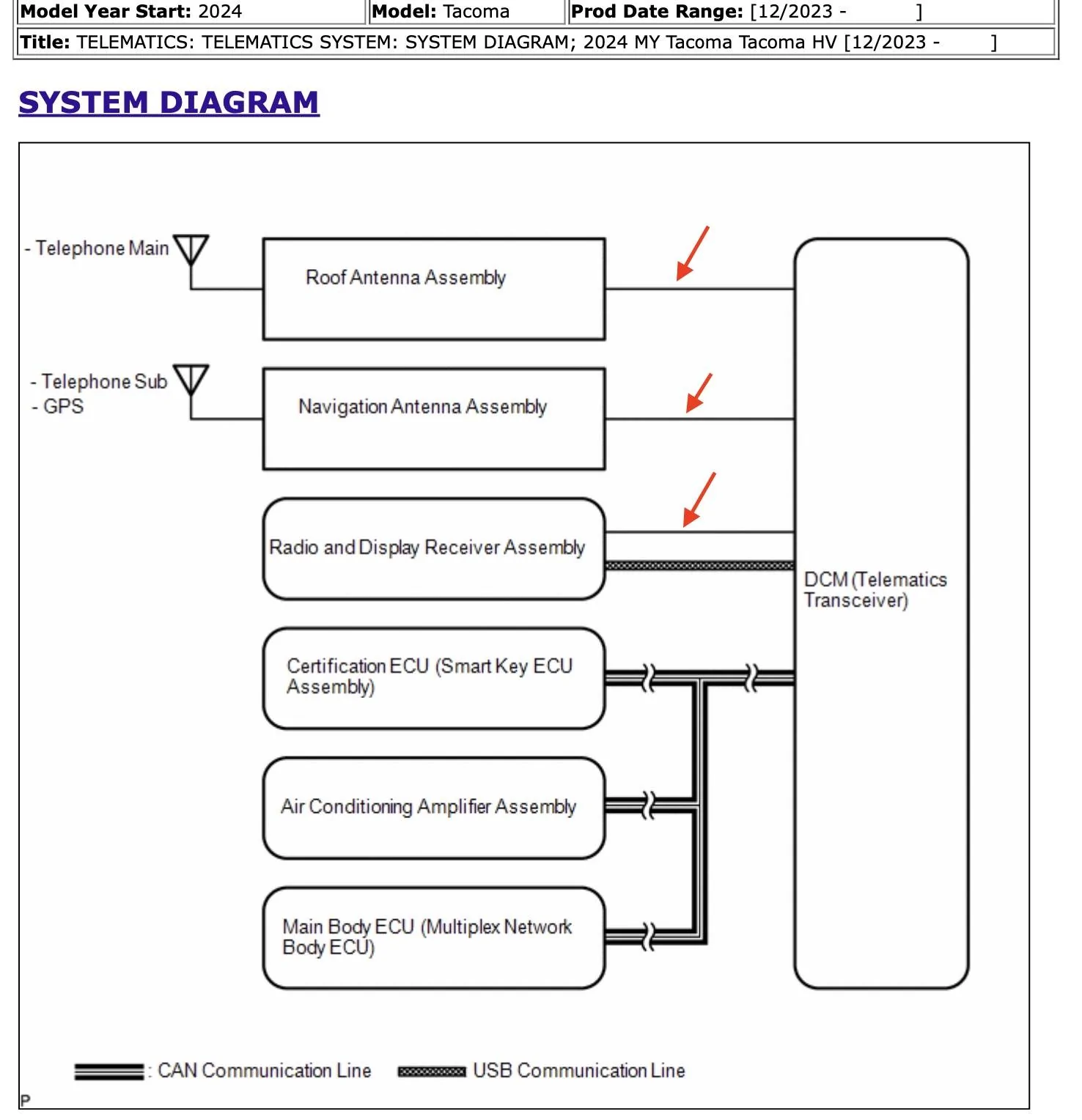
Credit: www.tacoma4g.com
Common Causes Of Dcm Failure
The Data Communication Module (DCM) in Toyota vehicles plays a key role in connecting various systems. When the DCM stops working, the car may lose important functions like remote services or emergency calls. Understanding the common causes of DCM failure helps in diagnosing and fixing the issue fast.
Several factors can lead to a DCM failure. These often involve electrical problems, software errors, or physical damage. Each cause affects the module differently and requires a specific approach for repair.
Electrical Issues
Electrical problems are a frequent reason for DCM failure. Faulty wiring or loose connections can interrupt the power supply. Blown fuses may also cause the module to lose power. Sometimes, a weak battery affects the DCM’s performance. Checking the vehicle’s electrical system is essential to find these problems.
Software Glitches
Software glitches can cause the DCM to stop working properly. Outdated or corrupted software may block communication between systems. Errors during updates can also disrupt the module’s function. Resetting or reinstalling the software often fixes these glitches. Regular updates keep the DCM running smoothly.
Physical Damage
Physical damage to the DCM can happen due to accidents or exposure to water. Heat or vibration may also harm the module over time. Cracked or broken parts inside the DCM stop it from working correctly. Inspecting the module for visible damage can help identify this cause quickly.
Signs Your Toyota Dcm Is Not Working
Knowing the signs that your Toyota DCM is not working can save you time and money. The DCM, or Data Communication Module, controls many key features in your car. Problems with it can affect your vehicle’s safety and connectivity. Watch for clear signs that show the DCM needs attention.
Warning Lights On Dashboard
One common sign is warning lights appearing on your dashboard. These lights may include the check engine light or the ABS light. They signal issues with your car’s systems. If these lights stay on or flash, the DCM might be faulty. Ignoring them can lead to bigger problems.
Connectivity Problems
The DCM manages your car’s connection to mobile networks. If your Toyota has trouble connecting to apps or services, the DCM could be the cause. You may notice lost GPS signals or problems with emergency call functions. Poor connectivity affects your driving experience and safety.
Error Messages
Error messages on your vehicle’s display can also point to DCM failure. These messages often warn about system malfunctions. Some common errors include communication errors or system faults. Do not ignore these alerts. They help you spot DCM issues early.
Basic Troubleshooting Steps
The Toyota DCM (Data Communication Module) plays a key role in vehicle connectivity and telematics. When the DCM stops working, your car may lose important features like emergency calls or remote services. Basic troubleshooting can often fix simple problems. Follow these easy steps before seeking professional help.
Resetting The Dcm
Start by resetting the DCM to clear temporary errors. Turn off the car and open the driver’s door. Wait for about 10 minutes to let the system power down completely. Close the door and start the car again. This process can refresh the DCM and restore its functions.
Checking Fuses And Wiring
Inspect the fuses related to the DCM in the fuse box. Look for blown or damaged fuses and replace them if needed. Also, check wiring connections near the DCM for loose or broken wires. Secure any loose connections to ensure stable power and data flow.
Rebooting The System
Another step is to reboot the vehicle’s main system. Turn off the ignition and remove the key. Wait a few minutes to allow the system to shut down fully. Restart the vehicle and observe if the DCM starts working again. This reboot can fix minor software glitches.
Credit: www.supramkv.com
Using Diagnostic Tools
Using diagnostic tools can help identify issues with your Toyota DCM. These tools read data from your car’s computer system. They give clear information about what might be wrong. This saves time and money on repairs.
Diagnostic tools are easy to use at home. They connect to your car’s OBD-II port. This port is usually under the dashboard. The tools read error codes stored in the system. These codes explain the problem in simple terms.
Obd-ii Scanner Tips
Choose a scanner that works with Toyota models. Connect it firmly to the OBD-II port. Turn your car’s ignition to the ON position. Do not start the engine while scanning. Follow the scanner’s instructions carefully. Wait for the tool to retrieve codes. Write down all the codes shown on the screen.
Interpreting Error Codes
Error codes often start with a letter followed by numbers. “P” codes relate to the engine and transmission. “B” codes cover body and airbags. “C” codes indicate chassis problems. “U” codes refer to network communication. Use a code reader manual or online database to understand each code’s meaning. This helps you know the exact issue with your Toyota DCM.
When To Seek Professional Help
Some problems need expert diagnosis. If codes are unclear, contact a mechanic. Avoid guessing or ignoring serious errors. Professional tools offer deeper insights. Mechanics can fix complex wiring or software faults. Timely help prevents bigger damage and higher costs.
Software Updates And Reprogramming
Software updates and reprogramming play a key role in fixing Toyota DCM not working issues. The DCM (Data Communication Module) controls many functions, so keeping its software current is important. Updates can fix bugs, improve connectivity, and add new features.
Regular updates help the system run smoothly. Reprogramming resets the module with fresh software, which can clear errors. Both steps require careful handling to avoid problems.
Downloading Latest Firmware
Start by getting the correct firmware from Toyota’s official site. Using the wrong file can cause serious issues. Ensure the firmware matches your car’s model and year. Download the file to a computer with a stable internet connection.
Save the firmware in an easy-to-find folder. Check the file size and name to confirm it downloaded fully. Never interrupt the download process once it starts.
Performing A Software Update
Connect your computer to the vehicle using a USB or diagnostic cable. Follow Toyota’s update instructions step-by-step. The update tool will guide you through the process. Do not disconnect cables during the update.
The update may take several minutes. The screen may go blank or flash. This is normal and part of the process. Wait until the update finishes and the tool confirms success.
Avoiding Common Update Mistakes
Never update with a weak battery. A power loss can corrupt the software. Use a fully charged battery or connect a charger. Avoid using non-official update tools or files.
Do not skip steps in the update guide. Rushing can cause errors or damage the DCM. Check your internet connection before downloading firmware. Patience is important for a safe update.
Preventive Measures For Dcm Longevity
Keeping your Toyota’s Data Communication Module (DCM) in good shape helps avoid costly repairs. Taking care of the DCM extends its life and keeps your car running smoothly. Small actions add up to big benefits over time.
Focus on simple steps that protect the DCM from damage. These steps help your vehicle’s system stay reliable and accurate. Let’s explore easy ways to maintain your DCM effectively.
Regular Maintenance Checks
Check your vehicle’s electrical system often. Look for loose wires or worn connectors. Clean the DCM area to remove dust and dirt. Schedule inspections during routine car service visits. Early detection of issues saves time and money.
Protecting Against Moisture And Heat
Keep the DCM dry at all times. Avoid parking in very wet or humid places. Use covers or park inside garages when possible. High heat can damage electronic parts quickly. Shade your car or park in cooler spots during hot days.
Safe Driving Habits
Drive gently over bumps and rough roads. Sudden shocks can harm the DCM and its wiring. Avoid harsh starts and stops to reduce stress on the system. Smooth driving helps keep all car components safe and lasting longer.
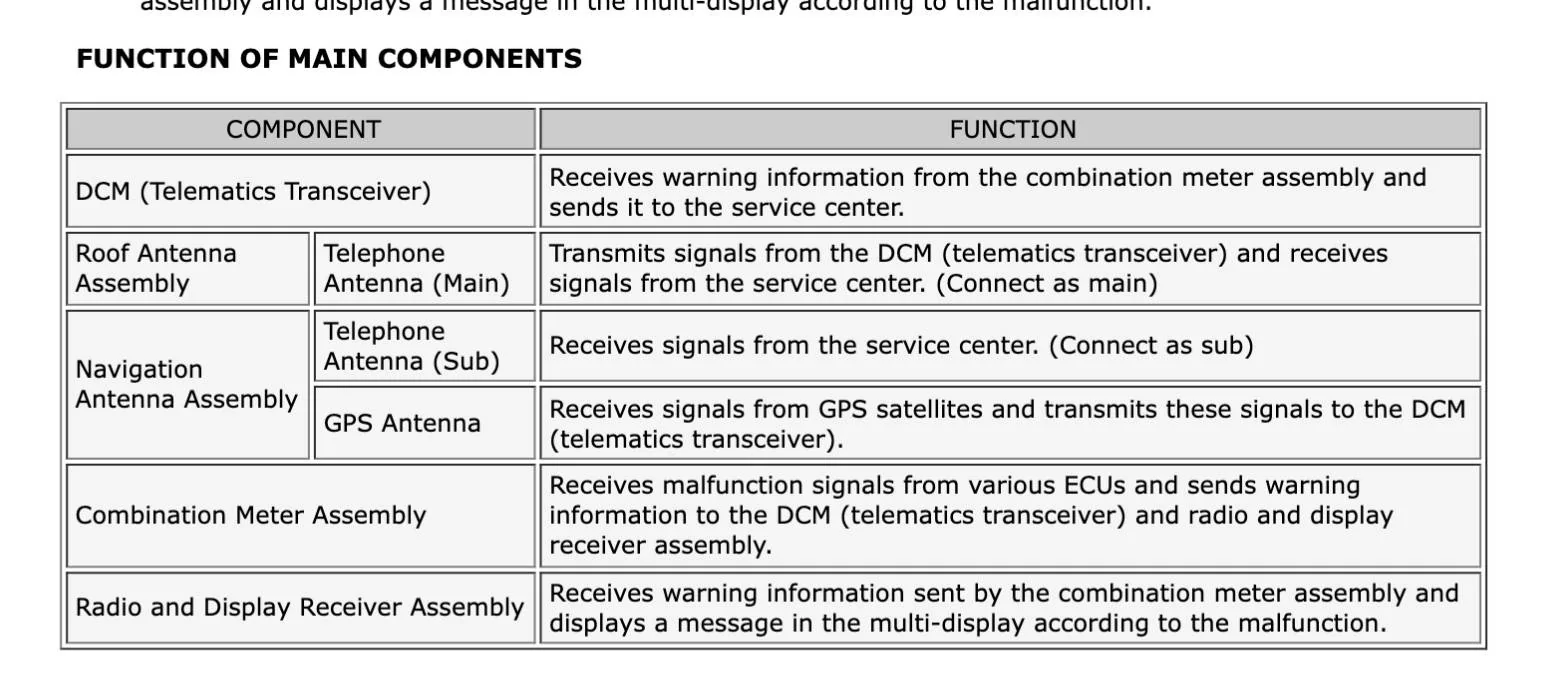
Credit: www.tacoma4g.com
Frequently Asked Questions
What Is Toyota Dcm And Why Does It Fail?
Toyota DCM is a communication module for safety and connectivity. It can fail due to software or hardware issues.
How To Check If Toyota Dcm Is Not Working?
Look for warning lights on the dashboard or loss of connected services in the car.
Can A Toyota Dcm Be Reset Or Repaired?
Yes, some issues can be fixed by a reset or software update at the dealership.
Does Toyota Dcm Failure Affect Car Safety Features?
Yes, it can disable emergency calls and connected safety services temporarily.
How Much Does It Cost To Fix Toyota Dcm Problems?
Repair costs vary but usually range from $200 to $600 depending on the issue.
Conclusion
Toyota DCM not working can cause frustration and car issues. Checking the connection and battery often helps. Sometimes, resetting the system fixes the problem quickly. Do not ignore warning signs or strange noises. Regular maintenance keeps your vehicle running smoothly.
If problems persist, visit a trusted mechanic for help. Staying informed helps you avoid bigger repairs later. Keep your Toyota safe and reliable by acting fast. Simple steps can save time and money in the long run. Remember, small problems today prevent big troubles tomorrow.