
Are your Chevy Traverse speakers not working when you want to enjoy your favorite music or podcasts? It’s frustrating to sit behind the wheel and hear silence instead of sound.
You rely on your vehicle’s audio system every day, so when it stops working, it can feel like your ride isn’t quite right. But don’t worry—this guide will help you understand why your speakers might be failing and show you simple steps to fix the problem.
Keep reading to get your Chevy Traverse sounding great again.

Credit: www.ebay.com
Common Causes Of Speaker Issues
Speaker problems in a Chevy Traverse can have several causes. Identifying the exact issue helps fix it faster. Common causes include speaker damage, wiring faults, head unit errors, and electrical issues. Understanding these points clarifies the problem and guides repairs.
Blown Speakers
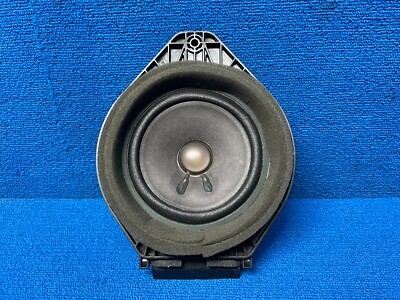
Speakers can blow out due to high volume or age. A blown speaker produces crackling or no sound at all. Physical damage to the speaker cone also causes sound issues. Replacing the damaged speaker often restores sound quality.
Wiring Problems
Loose or damaged wires disrupt sound signals. Wiring issues cause intermittent or no sound in some speakers. Rodents or wear and tear may damage wires over time. Checking and fixing wires can solve the speaker problem.
Head Unit Malfunctions
The head unit controls audio output in the vehicle. A faulty head unit may fail to send signals to speakers. Software glitches or hardware faults inside the unit cause sound loss. Resetting or repairing the head unit may restore function.
Fuse And Relay Issues
Fuses protect the speaker system from electrical faults. A blown fuse cuts power to the speakers. Relays control power flow and can fail over time. Replacing fuses or relays often fixes speaker power problems.
Credit: www.ebay.com
Basic Troubleshooting Steps
When Chevy Traverse speakers stop working, start with basic troubleshooting. These steps help find simple issues fast. You may fix the problem without needing expert help. Follow these easy checks to see what’s wrong.
Check Volume And Mute Settings
Make sure the volume is turned up. Sometimes the speakers are on mute. Look at the dashboard and steering wheel controls. Confirm the sound is not muted or set too low. Adjust the volume to a louder level and test again.
Inspect Audio Source
Check the device sending the sound. If you use Bluetooth, see if it is connected properly. For radio, make sure you have a clear station. If using a phone or USB, check if the device plays sound outside the car. Sometimes the problem is the audio source, not the speakers.
Test Different Media Inputs
Try switching between radio, Bluetooth, USB, or AUX input. This helps find if one input is faulty. Play music from different sources. If sound works from one but not others, the issue may be with that input. Testing multiple inputs narrows down the problem quickly.
Inspecting The Speaker System
Inspecting the speaker system is the first step to solve sound issues in your Chevy Traverse. A careful check can find simple problems fast. This saves time and avoids costly repairs. The speaker system includes wires, speaker cones, and connections. Each part must work well for clear sound.
Start with a detailed look at each component. Small problems like loose wires or damage can stop the sound. Testing speakers one by one helps pinpoint the trouble. Follow these steps to inspect the speaker system properly.
Examine Speaker Connections
Check all wires connected to the speakers. Make sure wires are tight and not loose. Look for broken or frayed wires. Loose connections cause sound to cut out or stop. Firm connections allow sound to flow smoothly.
Look For Visible Damage
Look at each speaker cone closely. Check for tears, holes, or dents. Damage affects sound quality and volume. Also, inspect speaker covers and grills. Clean any dust or debris. Dirt can block sound or cause damage over time.
Test Speakers Individually
Play audio through one speaker at a time. Listen for clear sound without buzzing or crackling. Swap speakers if possible to compare sound. A bad speaker will sound weak or distorted. Testing each speaker helps find the faulty one quickly.
Fixing Wiring And Connection Problems
Fixing wiring and connection problems is key to restoring sound in your Chevy Traverse. Many speaker issues come from loose wires or bad connections. Small wiring problems can cause big audio failures. Checking these parts can save time and money.
Start by carefully inspecting the wiring behind the speakers. Wires may get loose from bumps or wear. Repairing these loose wires can bring your sound back. Some wires might be damaged and need replacement. Ensuring all speaker connectors are tight helps keep signals clear. This section guides you through these simple checks and fixes.
Locate And Repair Loose Wires
First, find the speaker wires in your Chevy Traverse. Look under panels or seats where wires run. Gently move wires to see if any feel loose. Loose wires can break the audio connection.
Use electrical tape or small wire connectors to fix loose spots. Make sure wires touch metal parts securely. Test the speakers after fixing wires to see if sound returns.
Replace Damaged Wiring
Check wires for cuts, cracks, or worn insulation. Damaged wires stop electrical signals. Replace any wire that looks frayed or broken.
Use wire cutters to remove the bad section. Attach new wire pieces using connectors or soldering. Cover new connections with tape to avoid short circuits. This restores full power to the speakers.
Secure Speaker Connectors
Speaker connectors link wires to the speaker units. These connectors can loosen over time. Pull out each connector and push it back in firmly.
Clean connectors if dirty or rusty. Use contact cleaner for best results. Tight connections ensure clear sound signals. Double-check all connectors before testing the audio system.
Addressing Head Unit Issues
The head unit controls the sound system in your Chevy Traverse. Problems with it often cause speaker issues. Checking the head unit is a good first step to fix speaker problems. Simple fixes can restore sound quickly.
Reset The Head Unit
Resetting the head unit clears minor errors. This process often restores normal function. Find the reset button on the unit. Hold it for a few seconds. The system will restart and may fix sound issues.
Update Firmware
Outdated firmware can cause glitches in the audio system. Updating the firmware improves performance. Visit the Chevy website for updates. Download and install the latest version carefully. This step can fix bugs affecting the speakers.
Replace Faulty Head Unit
A damaged head unit may not send sound signals. Replacement is necessary if resets and updates fail. Choose a compatible unit for your Traverse model. Professional installation ensures the system works properly. This fix restores full audio functionality.
Checking And Replacing Fuses
Checking and replacing fuses is a key step when Chevy Traverse speakers stop working. Fuses protect the audio system from electrical problems. A blown fuse can cut power to the speakers. This causes no sound or poor audio quality. The process to check fuses is simple and quick. Anyone can do it with basic tools.
Locate The Fuse Box
The first step is to find the fuse box in your Chevy Traverse. Most models have two fuse boxes. One is under the hood, near the battery. The other is inside the cabin, often below the dashboard on the driver’s side. Use your owner’s manual to find the exact location. It shows a detailed diagram and instructions.
Identify Audio System Fuses
Open the fuse box cover carefully. Inside, you will see a chart or label. This chart shows the function of each fuse. Look for fuses labeled “Audio,” “Radio,” or “Infotainment.” These control power to the speaker system. Take note of the fuse number and its amperage rating. This helps to find the right replacement fuse.
Swap Out Blown Fuses
Use a fuse puller or tweezers to remove the fuse. Check the metal strip inside the fuse. If it’s broken or burnt, the fuse is blown. Replace it with a new fuse of the same rating. Push the new fuse firmly into the slot. Close the fuse box cover and test the speakers. The sound should return if the fuse was the issue.
When To Seek Professional Help
Knowing when to seek professional help for Chevy Traverse speakers not working saves time and stress. Minor issues you can fix yourself. Complex problems need expert care. Professionals have skills and tools to diagnose and repair properly. This keeps your sound system safe and working well.
Complex Electrical Problems
Electrical issues in your Chevy Traverse can be tricky. Faulty wiring or blown fuses cause speaker failure. Professionals trace the electrical system to find hidden faults. They prevent further damage to your vehicle’s electronics. Complex repairs need experience to handle safely.
Speaker Replacement
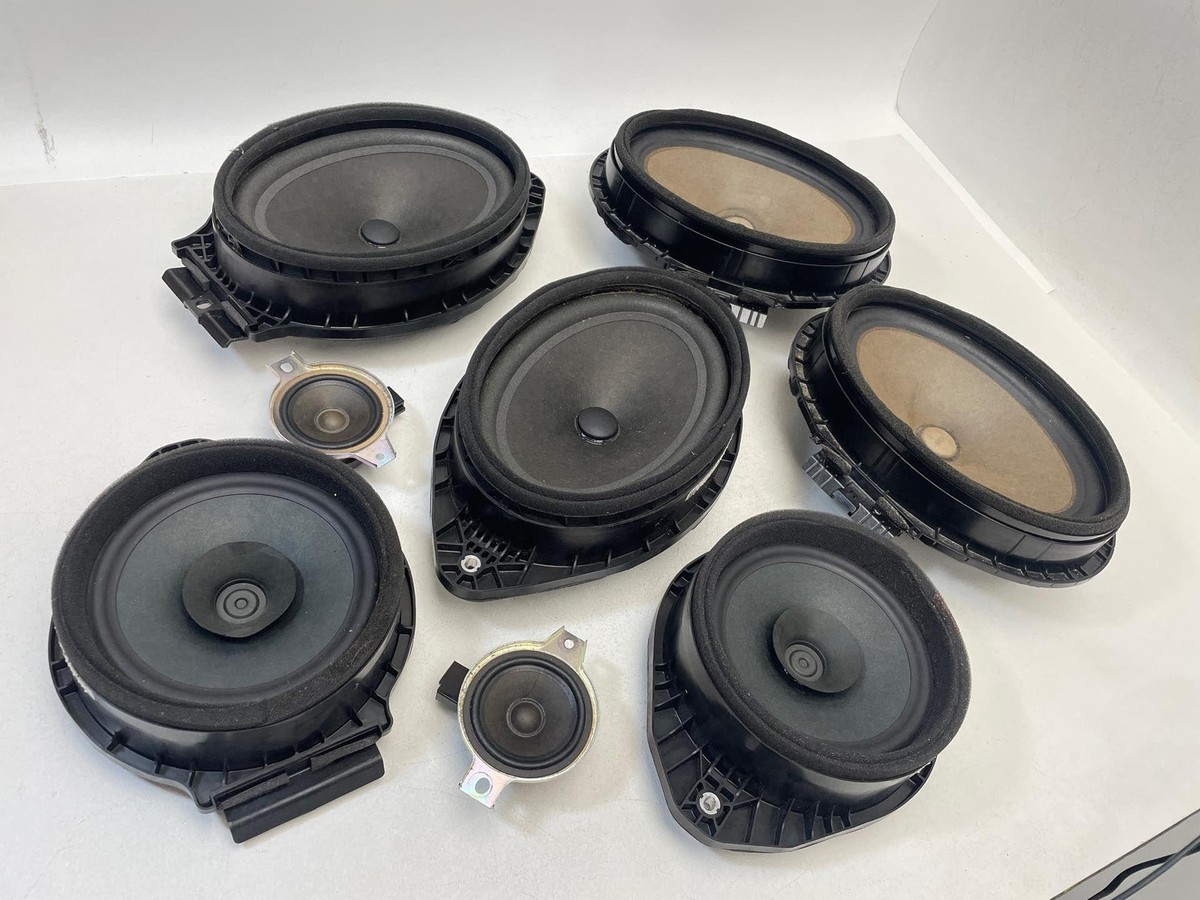
Damaged speakers require replacement for clear sound. Professionals know the right speaker model for your Traverse. They remove old speakers without harming door panels or wiring. Proper installation ensures sound quality and speaker life. DIY replacement can lead to poor performance or damage.
Advanced Diagnostic Tools
Experts use advanced diagnostic tools to pinpoint audio problems. These tools test each speaker and electrical connection. They find issues that are invisible to the eye. Accurate diagnosis helps fix the problem quickly. This saves you from unnecessary repairs or parts.
Preventive Tips For Speaker Maintenance
Keeping your Chevy Traverse speakers working well means taking care of them regularly. Small steps can stop big problems. Proper maintenance helps your sound system last longer. It also keeps the sound clear and strong.
Avoid Overloading Speakers
Do not play music too loud for long times. Loud sounds can harm the speakers. They might start to crack or stop working. Keep the volume at a safe level. This protects the speaker parts inside. Your ears will thank you too.
Regular System Checks
Check your speakers often for any issues. Listen for strange noises or cuts in sound. Look at the wires and connections. Make sure nothing is loose or broken. Fix small problems early to avoid bigger ones. Regular checks keep your system in good shape.
Protect Against Moisture And Dirt
Speakers can get damaged by water and dust. Avoid spilling drinks near the system. Keep the inside of your car clean and dry. Use covers if you park in wet places. Dirt and moisture can cause shorts or rust. Protect your speakers to keep sound clear.
Credit: www.ebay.com
Frequently Asked Questions
Why Are My Chevy Traverse Speakers Not Working?
Check the speaker connections, fuse, and audio settings for any issues or loose parts.
How To Fix No Sound From Chevy Traverse Speakers?
Reset the radio system and inspect speaker wires for damage or loose connections.
Can A Blown Fuse Cause Traverse Speakers To Fail?
Yes, a blown fuse can stop power to the speakers, causing no sound output.
Does Software Update Affect Chevy Traverse Audio System?
Sometimes, outdated software can cause audio problems; updating may resolve speaker issues.
When To See A Professional For Traverse Speaker Problems?
If basic checks fail, a technician can diagnose and repair wiring or hardware faults.
Conclusion
Fixing Chevy Traverse speakers can improve your driving experience. Check the wiring and connections first. Sometimes, a simple reset or fuse replacement helps. Don’t ignore speaker problems; they can get worse. Regular maintenance keeps your sound system working well. If the issue stays, seek help from a professional.
Good sound makes every trip more enjoyable. Take action early to avoid bigger repairs later. Keep your Chevy Traverse speakers clear and loud.