
Have you ever plugged in your phone charger or a lamp, only to find that multiple electrical outlets in your home suddenly stop working? It’s frustrating, confusing, and can disrupt your daily routine.
But don’t worry—you’re not alone, and there are simple reasons why this happens. Understanding what’s behind the problem can save you time, money, and stress. Keep reading, and you’ll discover easy steps to identify the cause and get your outlets back to work quickly and safely.
Common Causes
Multiple electrical outlets not working can disrupt daily life. Understanding common causes helps fix the issue faster. Most problems come from simple electrical faults. These faults are usually easy to identify and repair.
Tripped Circuit Breaker
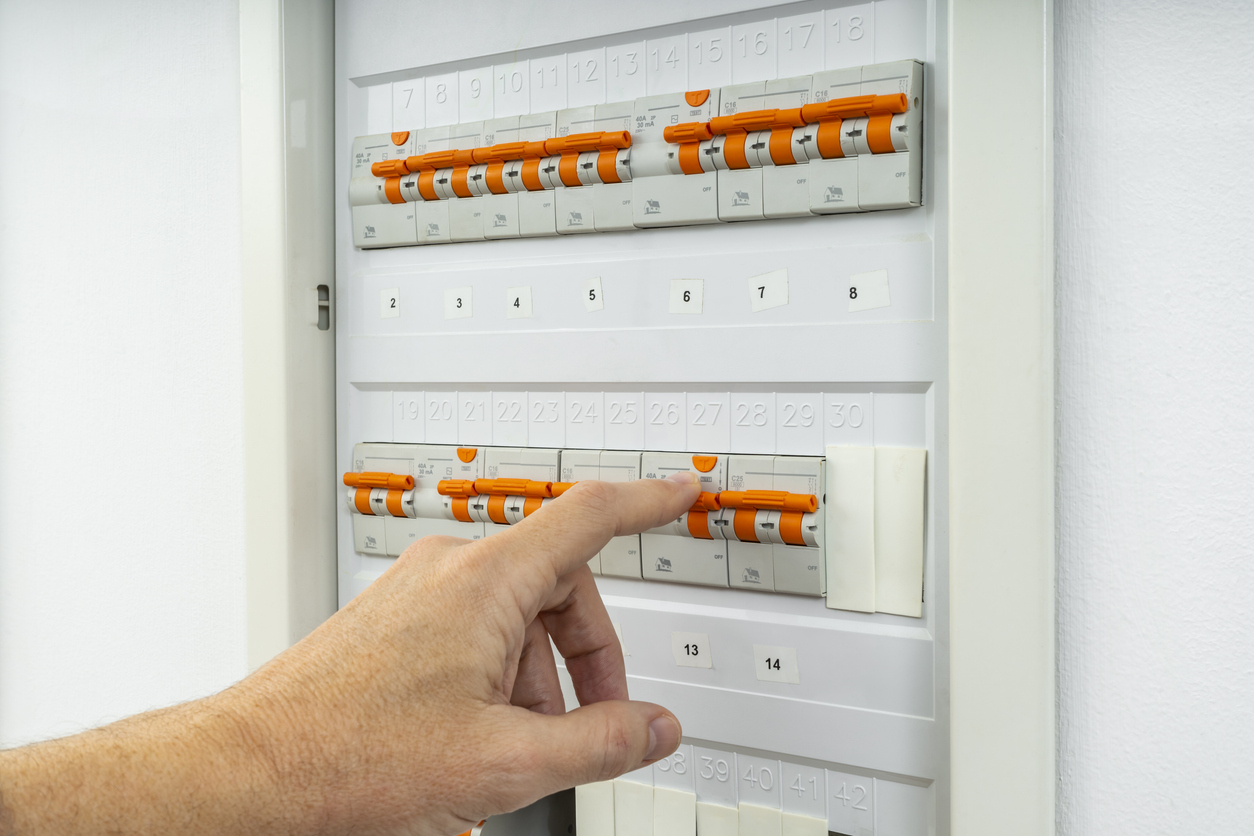
Circuit breakers protect your home from electrical overload. If many outlets stop working, a breaker may have tripped. This happens when too much power flows through the circuit. Resetting the breaker often restores power quickly. Check your breaker box for switches in the off position.
Blown Fuses
Older homes may use fuses instead of breakers. A blown fuse cuts power to multiple outlets. Fuses blow when circuits have too much current. Replacing the fuse with the correct rating can solve the problem. Never use a higher rated fuse than recommended.
Faulty Gfci Outlets
GFCI outlets protect against electrical shocks. They often control power for several other outlets. If a GFCI outlet trips, connected outlets lose power. Press the reset button on the GFCI to restore power. Faulty GFCI outlets may need replacement.
Loose Wiring Connections
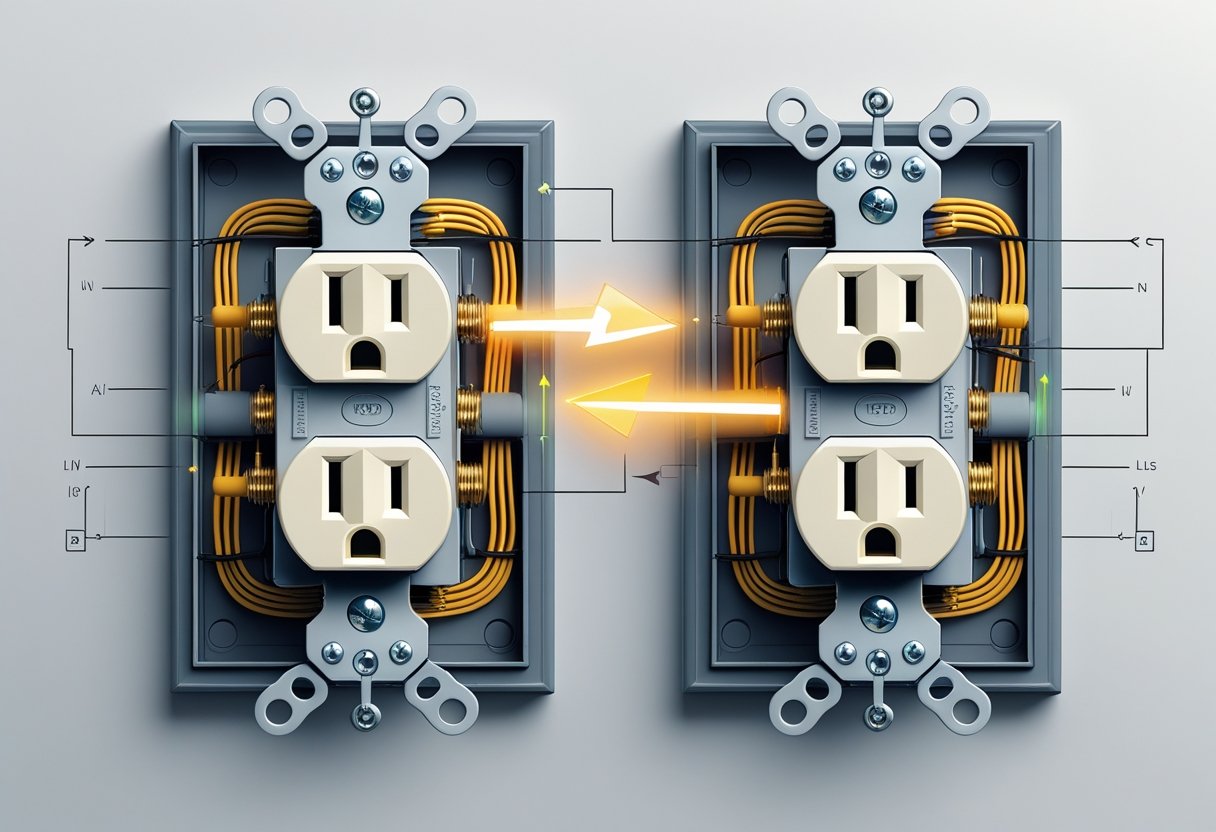
Loose wires can cause multiple outlets to stop working. Wires may disconnect inside outlet boxes or junction points. This creates an open circuit and cuts power flow. A licensed electrician should check and tighten wiring safely. Avoid DIY fixes without proper knowledge.
Credit: magnifyelectric.com
Safety Precautions
Safety is the top priority when dealing with multiple electrical outlets that stop working. Taking the right precautions protects you from shocks and fires. Follow clear steps to keep yourself safe during inspection or repair.
Turn Off Power
Always switch off the main power before touching any electrical outlet. This stops electricity flow and lowers the risk of shock. Use the circuit breaker to cut power to the affected area. Double-check power is off using a tester.
Use Insulated Tools
Choose tools with insulated handles. These tools prevent electric current from passing through your body. Avoid using metal tools without insulation. Proper tools protect your hands and make work safer.
Check For Electrical Hazards
Look for damaged wires, burn marks, or loose connections. These signs show danger and need fixing. Keep water and flammable materials away from outlets. Clear the area to avoid accidents during repair.
Quick Fixes
Multiple electrical outlets not working can be frustrating. Quick fixes help restore power fast. These simple steps often solve the issue without calling an electrician. Follow each fix carefully and safely.
Reset Circuit Breakers
Circuit breakers protect your home from electrical overloads. Sometimes they trip and cut power to outlets. Find your breaker panel and look for switches in the “off” position. Flip them back to “on.” Check if the outlets now work.
Replace Blown Fuses
Older homes use fuses instead of breakers. A blown fuse stops electricity flow. Locate your fuse box and identify any burnt or broken fuses. Replace them with the same type and rating. This can restore power to your outlets quickly.
Test And Reset Gfci Outlets
GFCI outlets protect against electrical shocks. They have a reset button. Press the “reset” button on each GFCI outlet, especially in kitchens and bathrooms. This often fixes outlets that lost power due to a tripped GFCI.
Tighten Loose Wires
Loose wires inside outlets can cause power loss. Turn off the power at the breaker. Remove the outlet cover and check the wire connections. Tighten any loose screws holding the wires. Loose wires may stop electricity from reaching your outlets.
Credit: assuranceelectricalaz.com
When To Call A Professional
Multiple electrical outlets not working can be worrying. Some problems are simple to fix. Others need expert help. Knowing when to call a professional keeps your home safe. It prevents bigger issues and saves money.
Persistent Outlet Issues
Outlets that stop working again and again need attention. A quick fix may not last. Loose wiring or worn parts cause repeated failures. A professional can find hidden problems fast. They ensure the outlets work safely and well.
Frequent Breaker Trips
Breakers that trip often show electrical trouble. This can mean overloaded circuits or faults. Frequent trips can damage appliances or cause fire risks. Experts can test your system. They fix the root cause to stop trips.
Signs Of Electrical Damage
Look for burning smells, sparks, or scorch marks near outlets. These signs mean serious danger. Damaged wires or connections can cause shocks or fires. Call a professional right away. They replace damaged parts safely and correctly.
Preventive Tips
Preventing multiple electrical outlets from failing starts with simple steps. Taking care of your home’s electrical system helps avoid sudden power loss. Small actions can keep outlets working longer and safer. Follow these tips to protect your electrical outlets and circuits.
Avoid Overloading Circuits
Plugging too many devices into one outlet causes overload. Overloads can trip breakers or damage wiring. Use power strips with surge protectors for many devices. Spread electrical use across different outlets and rooms. This practice reduces the risk of outages and fires.
Regular Outlet Inspections
Check outlets often for signs of wear or damage. Look for discoloration, sparks, or loose plugs. Test outlets using a simple outlet tester available at stores. Replace or repair any outlets showing issues. Early detection prevents bigger electrical problems later.
Use Quality Electrical Components
Choose outlets and wiring from trusted brands. Cheap materials may fail or cause hazards. Properly rated components handle your home’s electrical load better. Hire a licensed electrician for installations and repairs. Quality parts and work keep your electrical system safe and reliable.

Credit: www.reddit.com
Frequently Asked Questions
Why Are Multiple Electrical Outlets Suddenly Not Working?
A common cause is a tripped circuit breaker or blown fuse affecting several outlets.
How Can I Reset Outlets That Have Stopped Working?
Locate your breaker box and switch off, then on the tripped breaker to reset.
Can A Gfci Outlet Affect Other Outlets’ Power?
Yes, a tripped GFCI outlet can cut power to outlets on the same circuit.
What Should I Check Before Calling An Electrician?
Check breakers, reset GFCI outlets, and test outlets with a simple device first.
Is It Safe To Use Multiple Outlets On One Circuit?
Yes, but avoid overloading the circuit to prevent breakers from tripping or hazards.
Conclusion
Multiple electrical outlets not working can cause real trouble at home. Checking your circuit breaker is a good first step. Sometimes, resetting it fixes the issue quickly. Look for any visible damage or loose wires near the outlets. Safety is key—turn off power before inspecting.
If the problem continues, calling a licensed electrician is the safest choice. Small electrical issues often lead to bigger ones if ignored. Staying cautious and acting fast helps keep your home safe and powered. Don’t wait until the problem grows.